Our calves burned, perhaps more than the sun on our skin, as we climbed the steep hill to the top of the selai bak (rice field). The earth was charred and the community was ready to dibble and then sow their heirloom rice seeds. We worked the field till the sun was directly above our heads, the shaman holding a ritual for the Semai god, Jenang and the ruai bak (rice soul) before we headed back to the village. This was in 2023.
For the years to come, we witness the growth of the hill paddy, the harvesting of the paddy, and the subsequent festivals and communal feasts to celebrate year after bountiful year. In between, we learned with the Semai their fishing and hunting methods and the lives of the rivers and forests, the seasonal mushrooms, fruits, and seeds, and followed them to their selai cagol (kebun/garden) to collect daily vegetables.
The idea of making a seasonal calendar with the Semai of Ulu Jelai community came about with the question: How do all their activities, from hill paddy cultivation to fishing, hunting, and more, fit within the year and how can these activities illustrate their relations to land and all beings within their landscape?
As one of the fellows of the Community Climate Fellowship, hosted by the Center for Science and the Imagination at Arizona State University, supported by funding from the ClimateWorks Foundation, we embarked on this inquiry. We wanted to bring together all their activities within a seasonal calendar to view the fullness of their year as a whole, rather than understanding each activity in isolation.
December 2025: Plotting the calendar
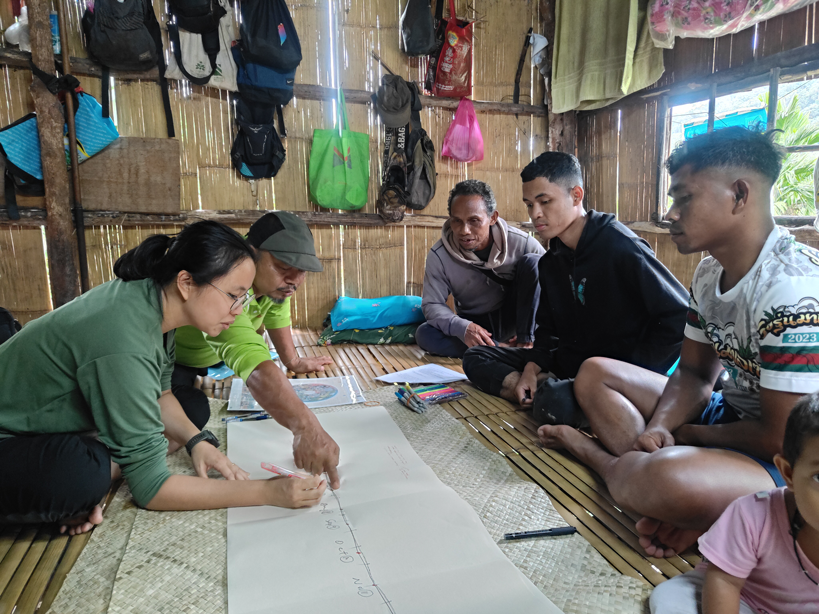
With only about six months to complete the project under the fellowship, we did the unusual—travelling to the village during the rainy season. Throughout our four days there, it rained almost all day and night, from light to heavy. Unlike city dwellers, the rain is not treated as a hindrance to living. The skies were grey but the selai-selai bak were vivid green.
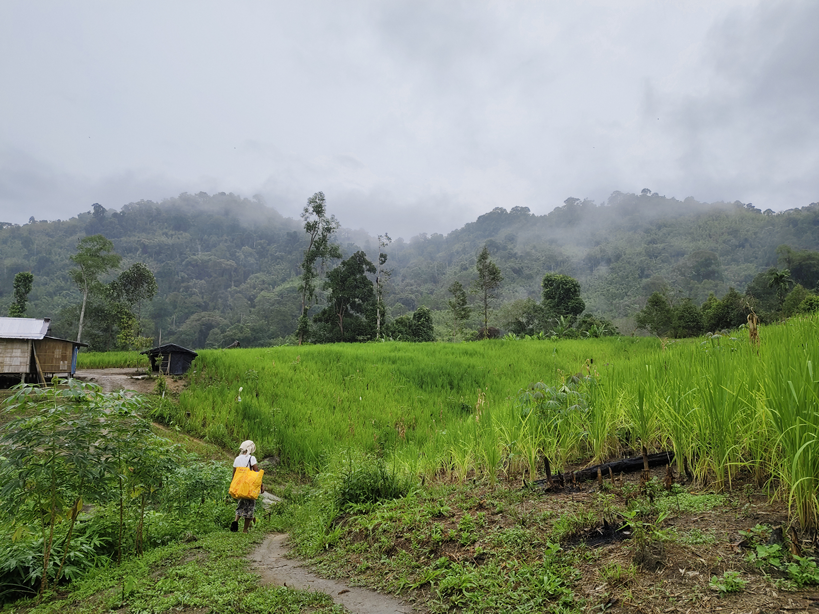
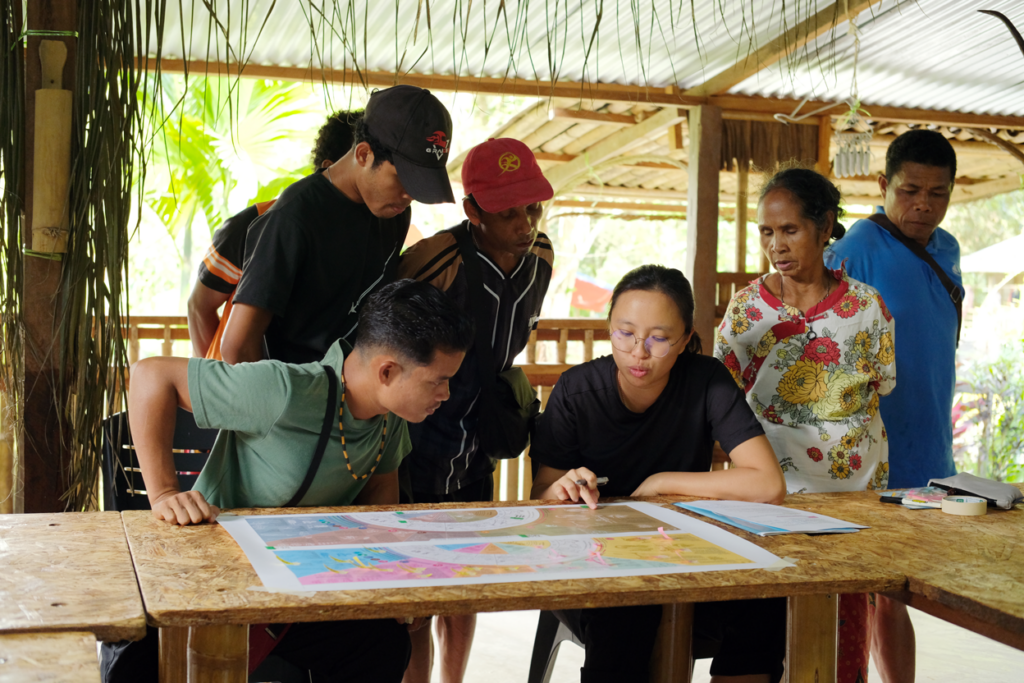
Lives thrived in the rainy season. In fact, it is the season buzzing with the most activities by people, plants, and the animals. We learned this as we plotted the calendar with community leaders and members of Kampung Barreh Barrah, Kampung Kenderong, Kampung Sempar, Kampung Rakoh, Kampung Cincin, and Kampung Dayok.
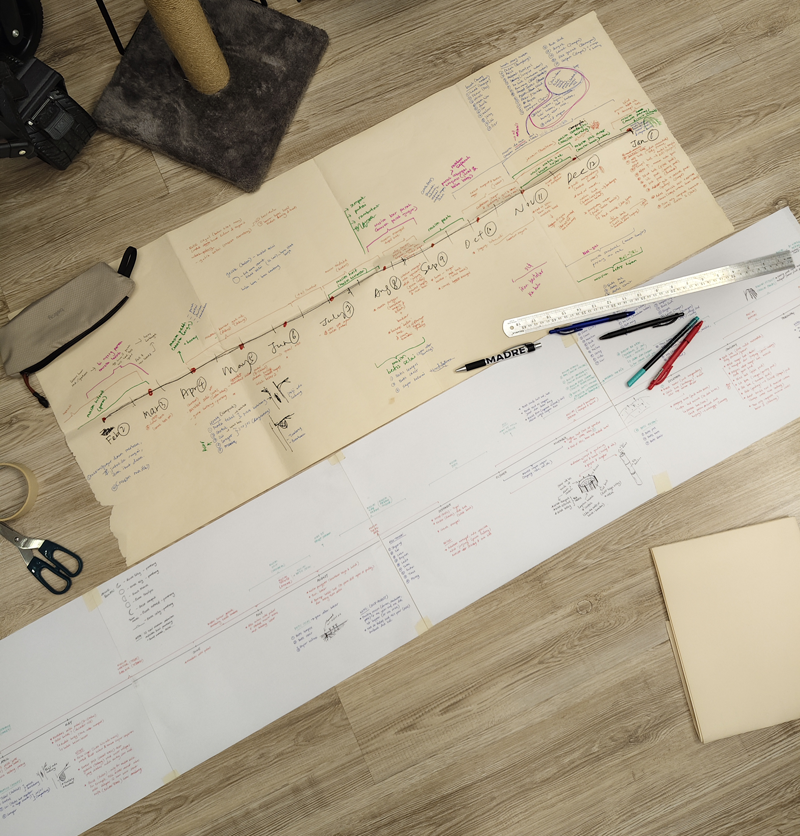
While the exercise took place over a single trip, the knowledge and understanding that informed what was being recorded on paper were built through seven years of long-term fieldwork and time with the community.
May 2026: Reviewing the calendar and additional information
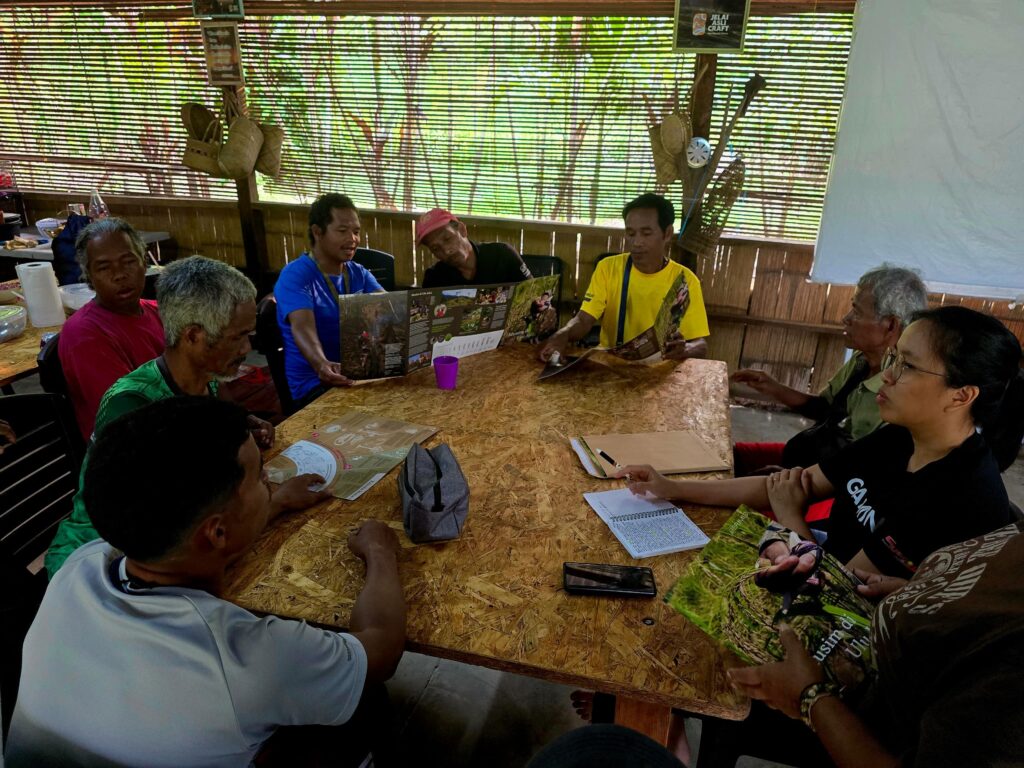
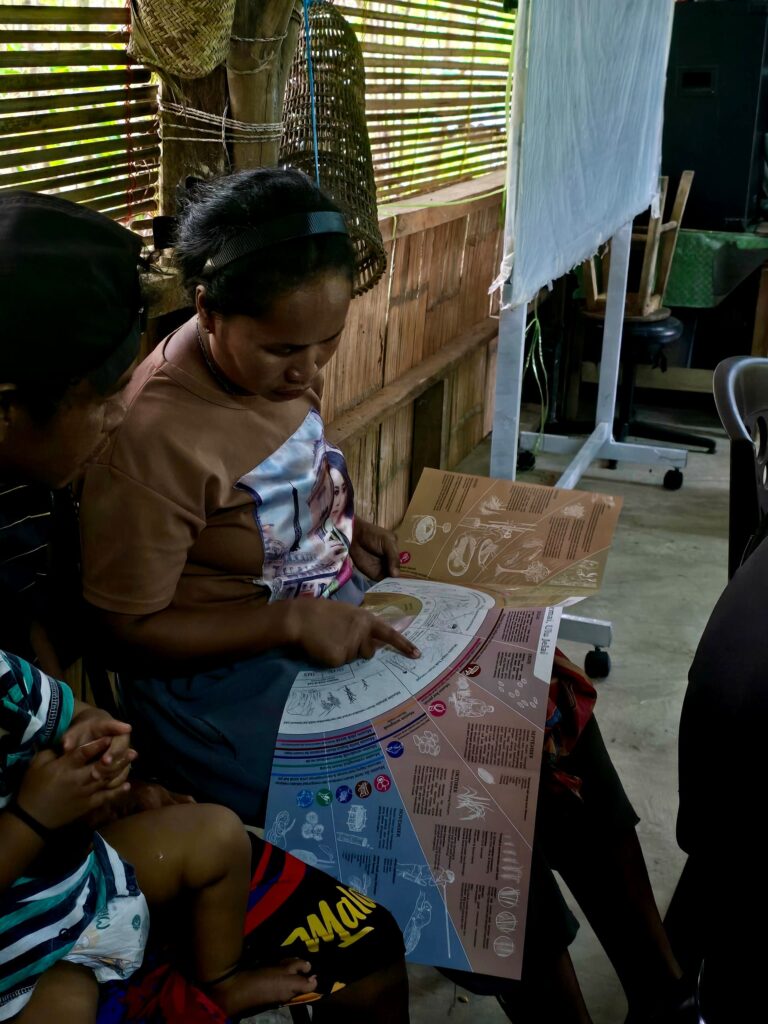
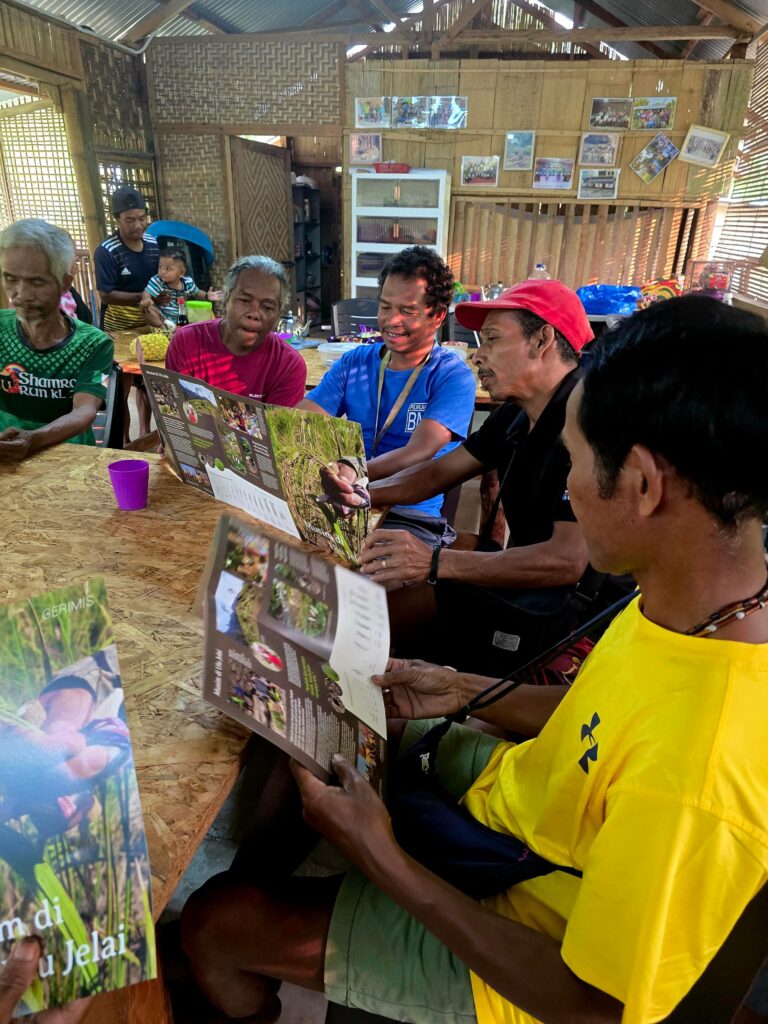
In the time between the months, we worked on the visual presentation of the seasonal calendar. Then we headed back to Ulu Jelai to present it to the community for fact checking, proofreading, and to fill any information gaps before finalising the seasonal calendar. There were some questions that we needed to clarify, such as the accuracy of the translations of the Semai terms, the placements of the seasons throughout the year, and so on and so forth.
The significant addition to the calendar was the stages of hill paddy growth. The December documentation recorded only 8 stages growth, but with the visualisation of the earlier information, the community members then added more stages to the growth. The total came up to 14 stages.
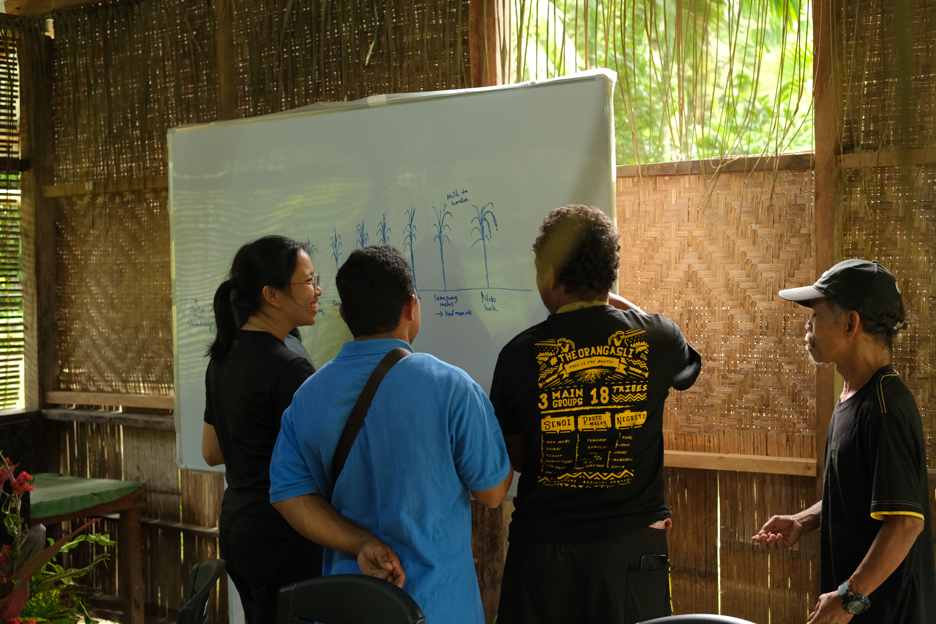
Bah Johan from Kampung Cincin, who led this documentation, shared that while he knows the names of every stage, how the rice plant would look like for each stage, and the overall rice growing process, he lamented that his children do not.
“I can’t read or write but I have the knowledge of growing rice, while my children can read and write as they go to school but they do not have the knowledge that I have. Not because I do not teach them, but because the time in school means time away from the rice fields and learning through observation and knowledge transfer from parent to child.”
There should be a bridge between what is taught in formal schooling and the Semai knowledge systems.
June to November 2026: Presenting the seasonal calendar in conferences and exhibitions
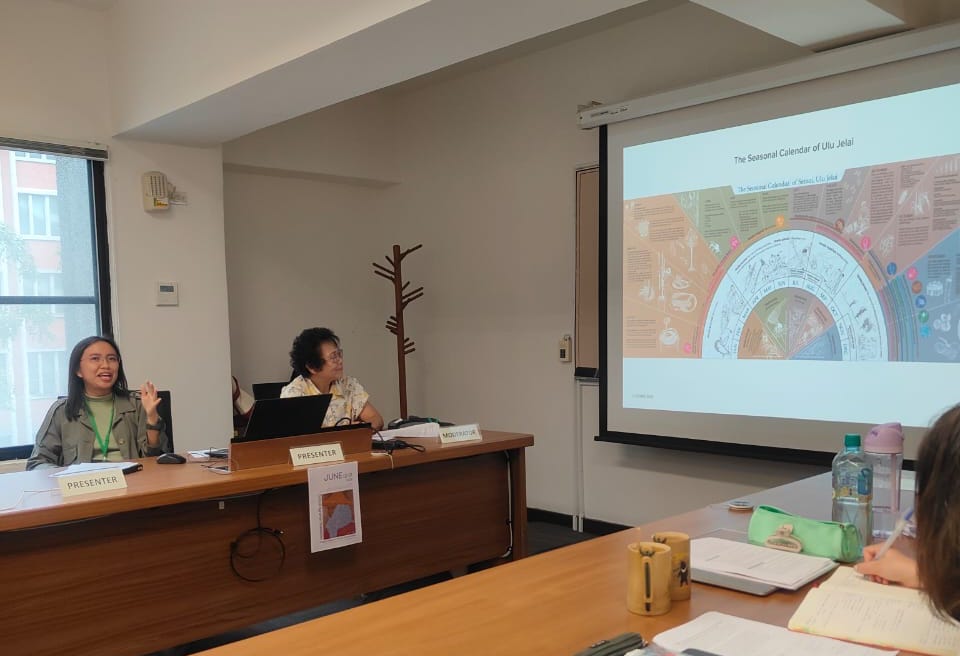
12 to 13 June 2026, Academia Sinica, Taiwan – 9th International Symposium on Literature and Environment in East Asia, ‘Critical Agrarian Humanities: Farming for Change across East Asia and the Transpacific’.
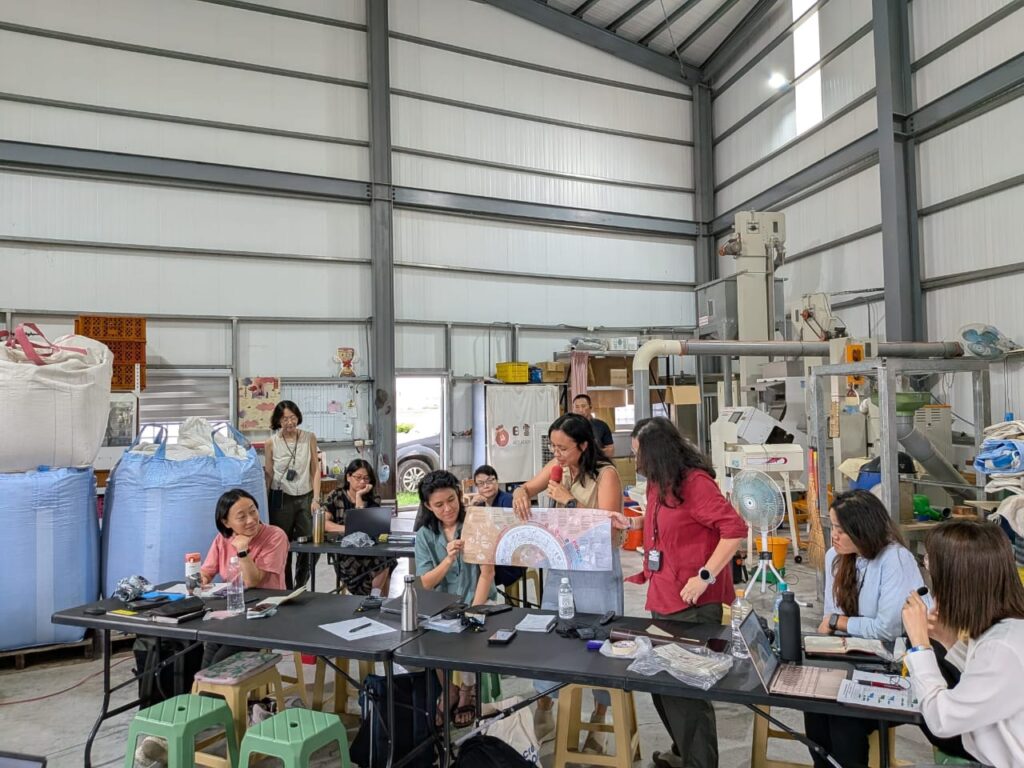
4 June 2026, Guanntian, Taiwan – Workshop between cultural and agricultural practitioners, professionals, local organisation members, and individuals from relevant fields in Taiwan and Southeast Asia. Organised by the Research Centre for Humanities and Social Sciences, National Cheng Kung University.
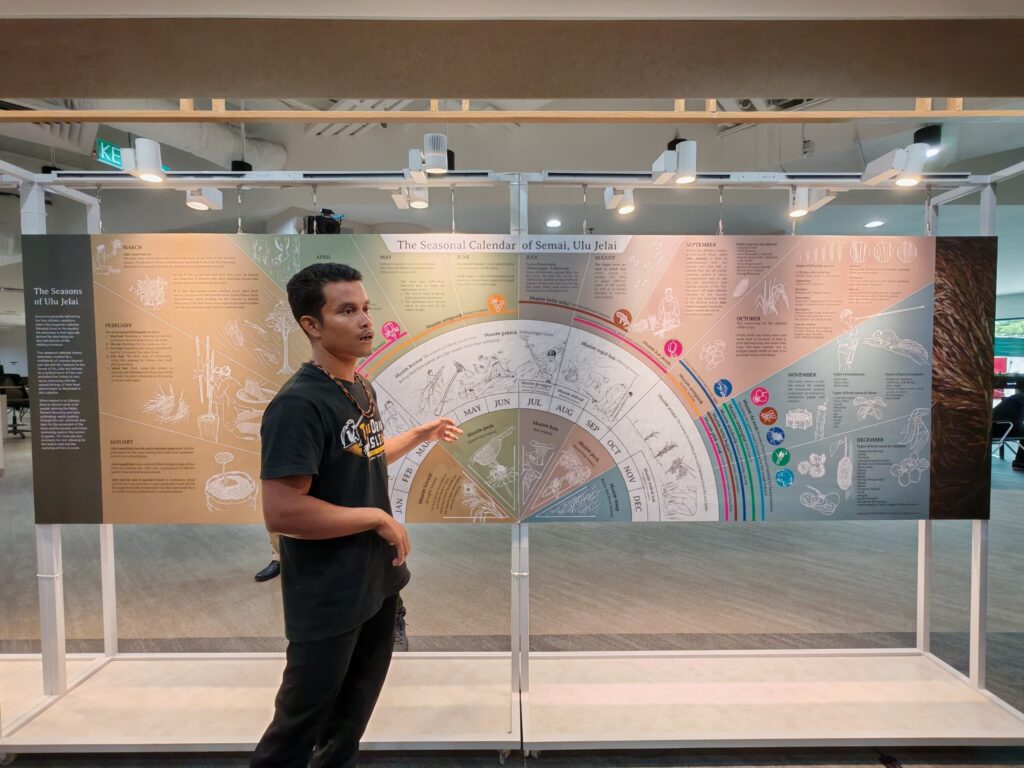
21 to 23 July 2026, Monash University Malaysia – An exhibition titled, “ A Cosmology of Care: Rice, Ritual, and Ruai – The Semai of Ulu Jelai, Pahang” in conjunction with the launch of Monash University’s International Indigenous Research Network (IIRN) and the IIRN Malaysia Hub.
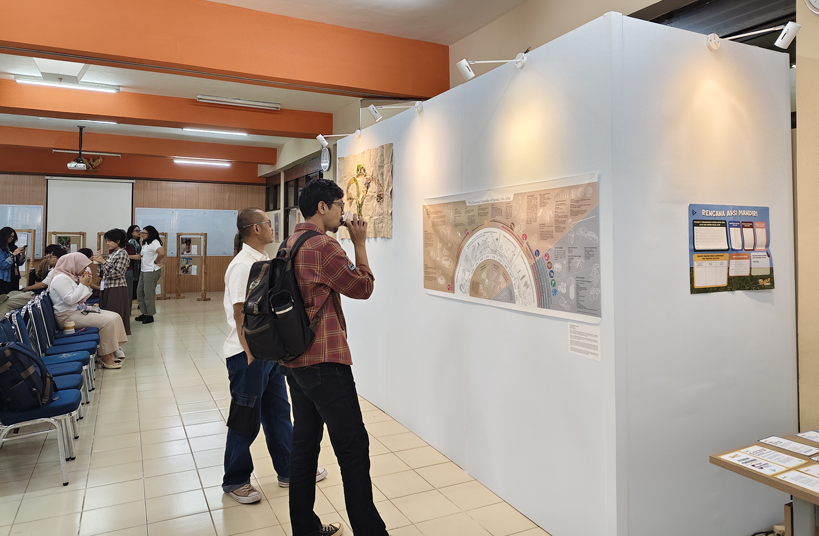
4 to 7 August 2026, Universitas Indonesia, Jakarta – 9th Internasional Simposium Jurnal Antropologi Indonesia. Presentation title: Farming pluriversality through long-term artistic practice with the Semai of Malaysia [The Seasons of Ulu Jelai].
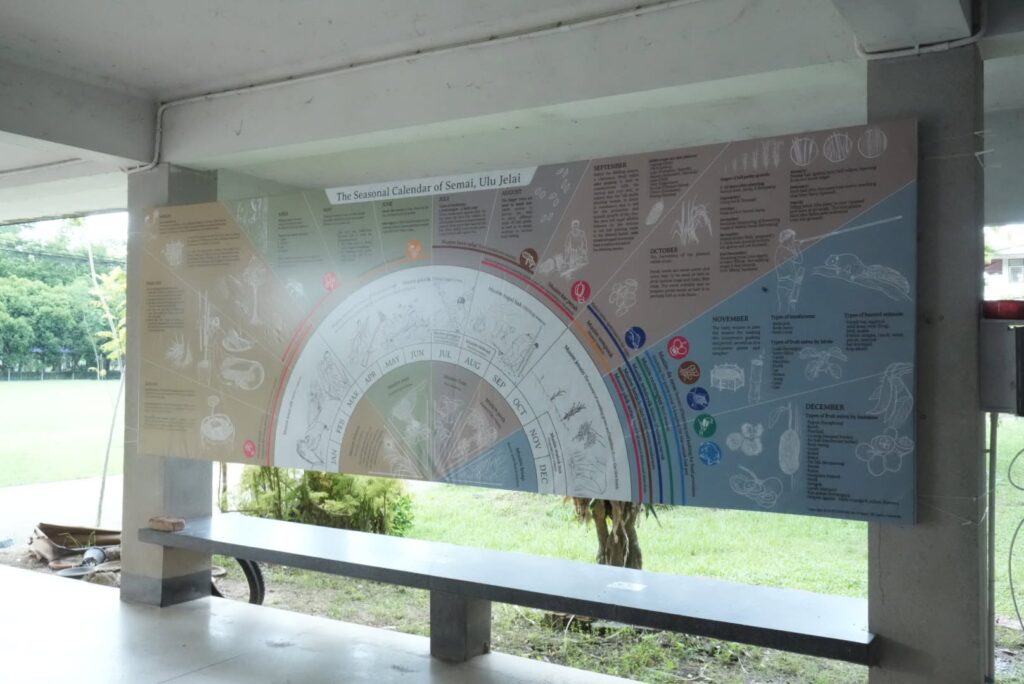
8 August to 1 November, 2026, Prince of Songkla University, Pattani campus, Thailand – Pattani Biennale. A large sized format printing for the exhibition as part of the guest curation by Malaysian curator Low Pey Sien. Thank you for including us!
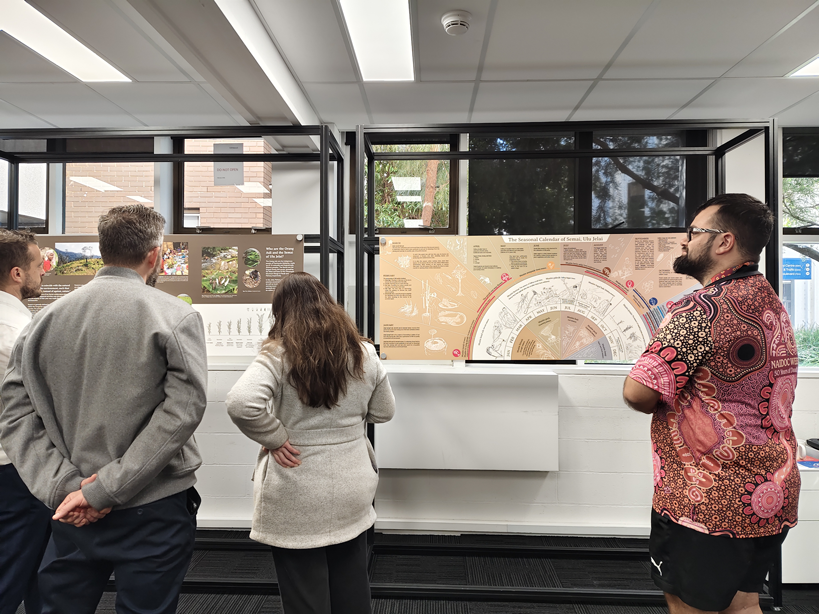
27 August 2026, Monash University Australia, Melbourne – Pre-departure session for the graduates of the Indigenous Graduate Program led by the William Cooper Institute.
September 2026: Return of seasonal calendar to the community
The journey of the Seasons of Ulu Jelai seasonal calendar comes full circle. From the homes and the fields of our host families, to Taipei, KL, Jakarta, Pattani, Melbourne, and finally back to the community.
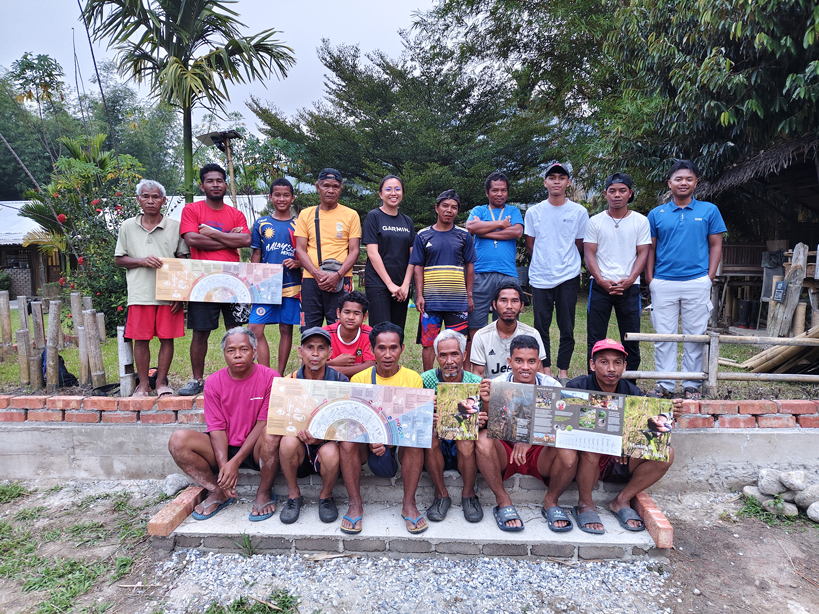
Some of the feedback from the community, of the calendar, conferences, and exhibitions, include: pride that this knowledge has been documented and presented so not only it can be handed down to the next generation of Semai and Orang Asli , but also allow the wider public to learn about their ways of seeing, knowing, and being. The seasonal calendar is also included to be part of the community’s ongoing documentation of their ancestral territories and Indigenous knowledge systems.
Own a calendar by getting one at our shop – click here!